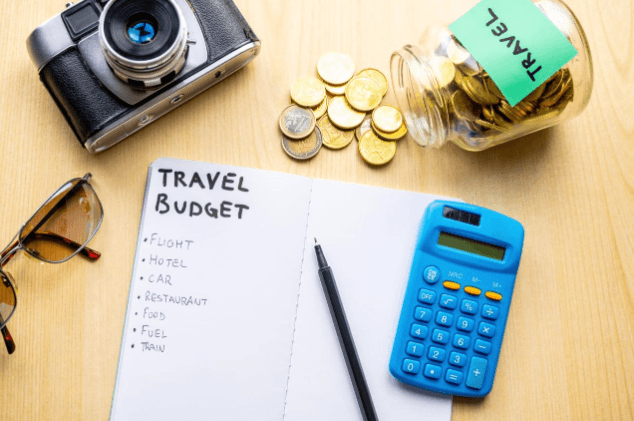

Traveling the world doesn’t have to drain your bank account. With the right mindset and a few practical strategies, even beginners can enjoy meaningful adventures without overspending. These budget travel tips for beginners will help you plan smarter, save money, and still have unforgettable experiences.
Why Budget Travel Matters
Travel is often seen as a luxury, but budget travel makes it accessible to more people. By managing expenses wisely, you can:
- Travel more frequently
- Stay longer at destinations
- Experience local culture authentically
- Reduce financial stress during and after trips
Budget travel isn’t about sacrificing comfort—it’s about spending intentionally.
Plan Ahead, But Stay Flexible

Planning is key to saving money, but flexibility often leads to the best deals.
Book Flights Early
Airfare tends to be cheaper when booked in advance. Aim for:
- Domestic flights: 1–3 months ahead
- International flights: 2–6 months ahead
Use Flexible Dates
Flights can vary dramatically depending on the day. Mid-week travel (Tuesday or Wednesday) is usually cheaper than weekends.
Set Fare Alerts
Use tools like Google Flights or Skyscanner to monitor price drops and grab deals when they appear.
Choose Budget-Friendly Destinations
Not all destinations cost the same. Some countries offer incredible value for money.
Look for Affordable Regions
Consider places like:
- Southeast Asia (Thailand, Vietnam)
- Eastern Europe (Poland, Hungary)
- South America (Peru, Colombia)
Travel Off-Season
Avoid peak tourist seasons when prices surge. Off-season travel offers:
- Lower accommodation costs
- Fewer crowds
- Better local experiences
Save Big on Accommodation

Accommodation is often one of the biggest expenses, but there are many ways to cut costs.
Stay in Hostels
Hostels are perfect for beginners:
- Affordable dorm beds
- Social atmosphere
- Often include free amenities
Use Budget Platforms
Websites like Airbnb or Booking.com offer competitive rates, especially for longer stays.
Try Alternative Options
- Couchsurfing (stay with locals for free)
- House sitting
- Camping
Be Smart About Transportation
Getting around efficiently can save both time and money.
Use Public Transport
Instead of taxis:
- Buses
- Trains
- Metro systems
These are significantly cheaper and often reliable.
Walk Whenever Possible
Walking is free and lets you explore hidden gems.
Consider Budget Airlines
Low-cost carriers can be very affordable, but:
- Watch for hidden fees
- Pack light to avoid baggage charges
Eat Like a Local

Food is a big part of travel—but it doesn’t have to be expensive.
Avoid Tourist Restaurants
These are often overpriced. Instead:
- Eat where locals eat
- Explore street food markets
Cook Your Own Meals
If your accommodation has a kitchen:
- Buy groceries
- Prepare simple meals
Try Street Food
Street food is:
- Affordable
- Authentic
- Delicious
Pack Light and Smart
Packing wisely can save money and stress.
Avoid Checked Baggage Fees
Stick to carry-on luggage to avoid extra airline charges.
Bring Essentials
- Reusable water bottle
- Travel adapter
- Basic first aid kit
Dress Versatile
Pack clothes that can be mixed and matched.
Use Travel Apps and Tools
Technology can help you stay on budget.
Money-Saving Apps
- Currency converters
- Budget trackers
- Discount finders
Navigation Tools
Use offline maps to avoid roaming charges.
Set a Daily Budget
Creating a daily spending limit helps control expenses.
Track Your Spending
Use apps or a simple notebook to monitor:
- Food
- Transport
- Activities
Prioritize Experiences
Spend more on what matters most and cut back on less important things.
Take Advantage of Free Activities

You don’t need to spend a lot to have fun.
Explore Free Attractions
- Museums with free entry days
- Parks and landmarks
- Beaches and hiking trails
Join Free Walking Tours
Many cities offer tip-based tours led by knowledgeable guides.
Travel Insurance: A Smart Investment
While it may seem like an extra cost, travel insurance can save you money in emergencies.
What It Covers
- Medical emergencies
- Trip cancellations
- Lost luggage
Always compare plans and choose one that fits your needs.
Avoid Common Beginner Mistakes
Learning from others can save you money and frustration.
Don’t Exchange Money at Airports
Rates are usually poor. Use local ATMs instead.
Beware of Tourist Scams
Research common scams in your destination beforehand.
Don’t Overpack Your Itinerary
Rushing between attractions can lead to unnecessary expenses.
Build a Travel Fund
Saving for travel makes budgeting easier.
Simple Saving Tips
- Set aside a small amount weekly
- Cut unnecessary expenses
- Use travel reward credit cards responsibly
Stay Connected Without Overspending
Use Local SIM Cards
They’re cheaper than international roaming.
Find Free Wi-Fi
Available in:
- Cafes
- Libraries
- Hotels
Sustainable Budget Travel
Traveling cheaply doesn’t mean harming the environment.
Be Eco-Friendly
- Use reusable items
- Avoid single-use plastics
Support Local Businesses
Spend money at local shops and markets to help communities.
Conclusion
Traveling on a budget is not only possible—it’s incredibly rewarding. By following these budget travel tips for beginners, you can explore new destinations, meet interesting people, and create lasting memories without financial stress. The key is to plan wisely, stay flexible, and focus on meaningful experiences rather than luxury.
FAQs
1. How much money do I need for budget travel?
It depends on your destination, but many travelers manage with $20–$50 per day in affordable countries.
2. Is it safe to stay in hostels?
Yes, most hostels are safe, especially those with good reviews. Always use lockers for valuables.
3. What is the cheapest way to travel internationally?
Booking flights early, using budget airlines, and being flexible with dates can significantly reduce costs.
4. How can I save money on food while traveling?
Eat local food, avoid tourist restaurants, and cook your own meals when possible.
5. Do I really need travel insurance?
Yes, it protects you from unexpected expenses like medical emergencies or trip cancellations.

 By
By

 By
By