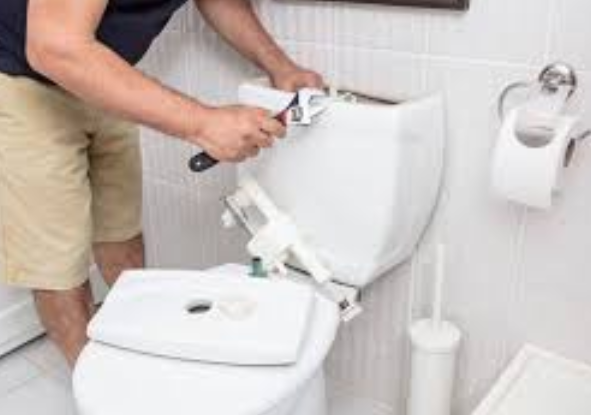

A running toilet is typically caused by a worn flapper, misadjusted fill valve, or faulty flush valve. This guide identifies the signs, lists essential tools and parts, and outlines a straightforward, step-by-step fix. With careful isolation of the fault and methodical part replacement, the system can be restored to normal operation. The approach remains practical and repeatable, offering clear checkpoints—but the next steps hold the key to a lasting solution.
Identify the Signs a Toilet Is Running
A running toilet is typically indicated by audible or visible signs rather than delayed symptoms. The text describes thresholds for action with precision. Identify leaks and assess baffles, tanks, and fixtures for irregular sounds or steady flow.
Silent running may occur during quiet periods; note basin drain activity, constant hissing, or water movement. Documentation supports diagnosis, guiding immediate, decisive correction.
Gather the Right Tools and Replacement Parts
To address a running toilet effectively, the technician gathers the required tools and replacement components before disassembly. Essential items include adjustable wrench, pliers, screwdriver, bucket, towels, and replacement seals or flapper.
Prior to work, perform leak diagnostics and verify part compatibility.
Maintain tool maintenance habits, organize components, label connections, and secure a clean workspace to ensure precise, efficient repairs.
Step-by-Step Fix for Most Common Causes
Common causes of a running toilet are addressed step by step by isolating the fault and applying targeted fixes. The procedure catalogues typical failures: flapper seat leakage, fill valve misadjustment, and flush valve defects. Each step specifies measured actions, checks, and tolerances. Address issues with an inadequate seal and silent leaks by reseating components, replacing worn parts, and testing for steady operation.
Quick Checks and Preventive Tips to Stop It From Returning
After completing the targeted repairs, implementing quick checks and preventive measures helps forestall recurrence. Regular inspection of flapper seals and refill tube alignment verifies proper operation without disassembly.
Schedule monthly tests: observe flush cycle, water level, and fill-rate noise. Document findings for trends.
Apply preventive tips such as gasket replacement intervals and consistent water pressure, and maintain a simple maintenance log for reliability. quick checks, preventive tips.
See also: 5G as the Backbone of Digital Transformation
Frequently Asked Questions
How Long Does a Running Toilet Repair Take to Complete?
A running toilet repair typically takes 15 to 60 minutes, depending on issue complexity. In a two word discussion ideas, unrelated topic, the technician catalogs components. The process remains methodical, concise, instructional, enabling freedom for efficient, independent maintenance decisions.
Will a Running Toilet Increase My Water Bill Significantly?
A running toilet can raise water costs modestly; impact depends on duration and volume. In terms of toilet billing, even small leaks matter. Prioritize water efficiency improvements, monitor usage, and fix leaks promptly to minimize expense.
Can I Fix It Without Any Plumbing Experience?
The answer: Yes, it is possible for a beginner. The how to tutorial emphasizes safety considerations, outlining basic steps, tool checks, and shutoff procedures. In instruction, readers gain confidence while maintaining technical clarity and personal freedom.
Should I Replace the Flapper or the Fill Valve First?
Flapper-focused fix: first assess seals; if the flapper is brittle or leaking, proceed with flapper replacement. Otherwise, initiate fill valve replacement. The decision hinges on leak source, efficiency, and flushing reliability.
Is a Running Toilet Safe for Pets and Children?
A running toilet is generally safe for pets and children if promptly addressed; however, it poses risks from water waste and possible fixture malfunctions. Monitor for leaks, ensure supervision, and implement two word discussion ideas: pets safety, child safety.
Conclusion
In the quiet workshop of a home, the running toilet stands as a stubborn puzzle—noise versus silence, water versus restraint. The technician, methodical and exact, converts chaos into order by tracing wear to its source and replacing parts with precision. Yet the clock ticks on, reminding that even perfect fixes require vigilance. The contrast is clear: small components govern large flows, and diligent maintenance secures efficient, predictable operation, where only the quiet, controlled flush remains.

 By
By

 By
By